Qualify for a grant to improve your home

Legionella Risk Assessment Perth
 

Most landlords don’t realise they have a legal duty to assess the risk of legionella in their rental properties. It sounds more serious than it is — the assessment is straightforward, and most domestic properties are low-risk.

NK Heating Solutions carries out legionella risk assessments for rental properties across Perth. We inspect the hot and cold water systems, identify any risks, and provide a written record.

This isn’t a medical test and it doesn’t mean there’s a problem. It’s a routine compliance check — like a gas safety certificate, but for the water system.

Experienced heating and plumbing engineers who work with water systems every day.

What a legionella risk assessment involves

Legionella is a type of bacteria that can grow in stagnant or poorly maintained water systems, particularly where water sits at the wrong temperature. It can cause Legionnaires’ disease, a serious lung infection. In domestic rental properties the risk is usually low, but the law requires landlords to assess and manage it.

What we check
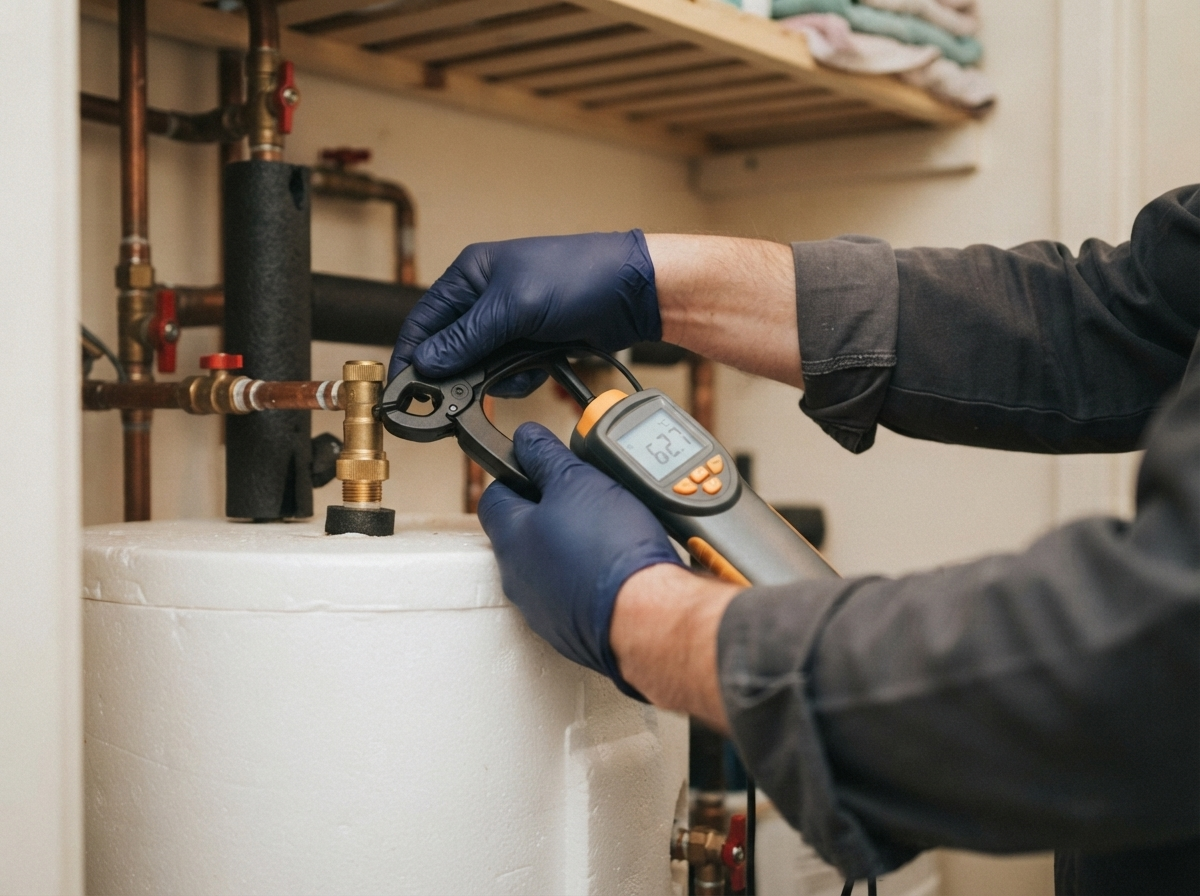
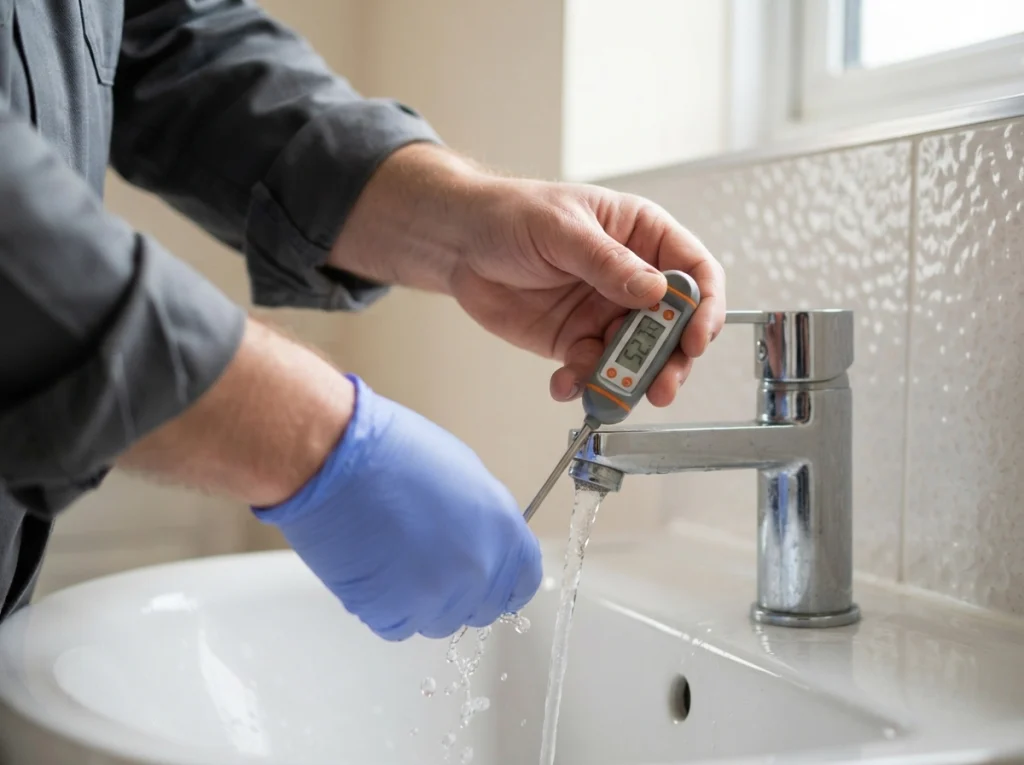
Water temperature — hot water should be stored at 60°C or above and reach 50°C+ at the tap within a minute; cold water should stay below 20°C. Cold water storage tanks — condition, lid, insulation and location. Dead legs — unused or rarely used pipework where water can sit still, common with capped-off radiators or redundant plumbing. Showerheads and taps — condition and limescale build-up. System design — whether the hot water cylinder is set correctly, and whether the cold supply comes direct from the mains or via a tank.

What you get
A written risk assessment covering our findings, the risk level, and any actions we’d recommend. This is your compliance record.

How long it takes
Usually under an hour for a standard domestic rental property.

Most properties are low-risk
A direct-mains cold supply, a combi boiler with no stored water, and outlets that get used regularly mean most modern flats and houses are low-risk. The assessment confirms this — and where there are risks, they’re usually simple to fix: flushing an unused outlet, or adjusting the cylinder thermostat.

Legionella Check of the water cylinder
Dimplex Logo
NIBE
Samsung
Mitsubishi
Alpha
worcester
ideal
get a free quote from NK Heating Solutions

Get a Free Quote in 2 Minutes

Why landlords need a legionella risk assessment

The Health and Safety at Work Act 1974 and the HSE’s Approved Code of Practice (ACOP L8) place a duty on landlords to assess and control the risk of legionella in their properties. This applies to every rental property, not just HMOs or larger buildings, and it’s your responsibility as landlord, not your tenant’s.

Not a one-off
The assessment should be reviewed regularly — typically every couple of years — and again if the water system changes (a new boiler or cylinder, pipework alterations), between tenancies, or if the property’s sat empty for a while.

If you don’t have one
Non-compliance can lead to enforcement action from the local authority. And if a tenant or visitor were to contract Legionnaires’ disease with no risk assessment in place, the legal and insurance consequences would be significant — the assessment itself is simple and affordable by comparison.

Many Perth letting agents now ask for a legionella risk assessment as standard, alongside the gas safety certificate and EICR.

NK Heating Solutions branded van

Trusted by People Across Perth

Read what our customers say about our work, in their own words.

Call Us Now for a Free Quote and Survey

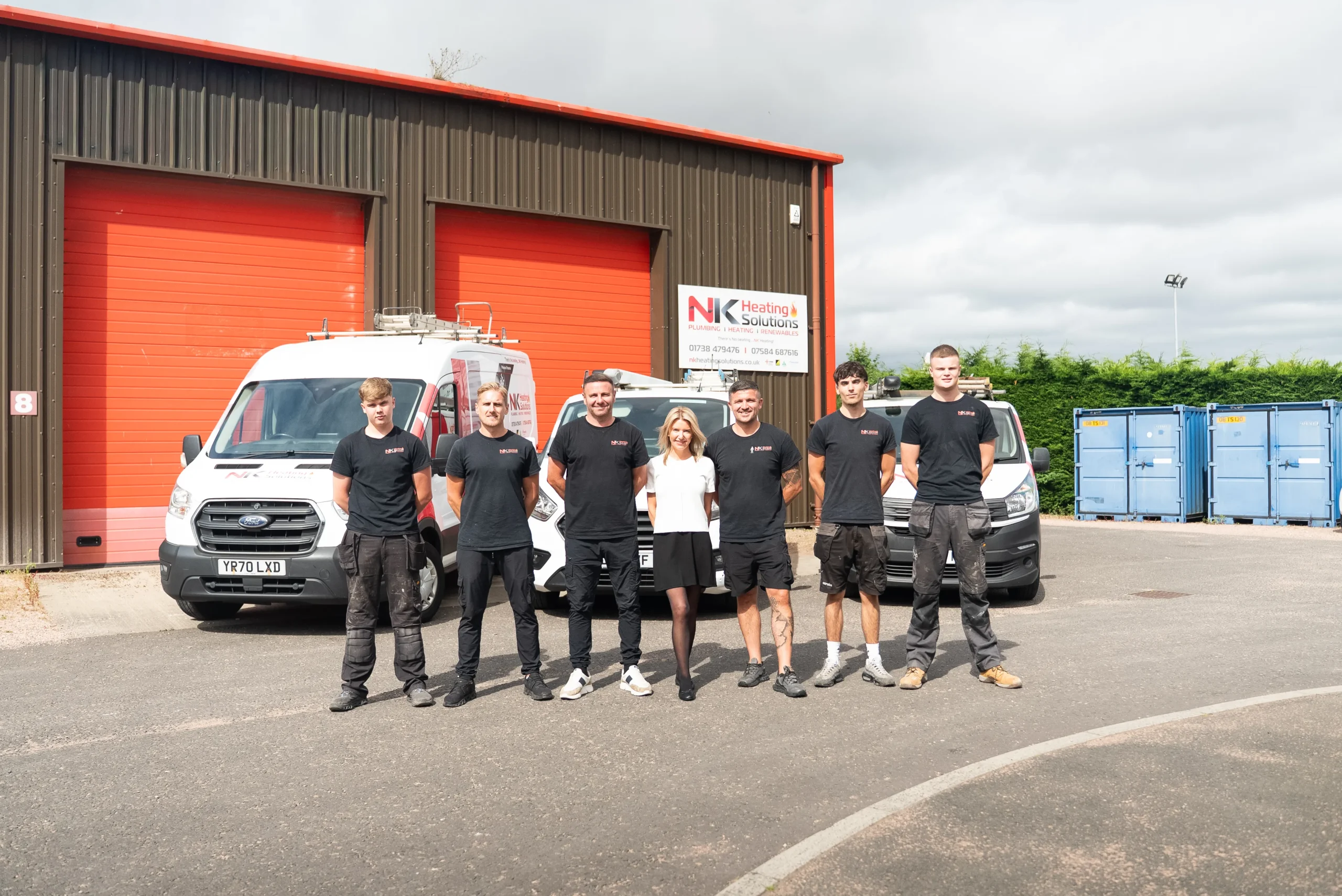
The NK Heating Solutions team

Why choose NK Heating Solutions

Heating and plumbing engineers, not a box-ticking service. We work with water systems every day — boilers, cylinders, pipework, hot water systems. Your legionella assessment is carried out by engineers who understand how these systems actually work.

GasSafe registered — 30 years. Boiler and hot water system expertise.

BPEC accredited — 30 years in plumbing.

80+ years of combined trade experience across the team.

Caledonia Housing contract — around 300 properties maintained, now in our fifth year. Legionella compliance across a large housing-association portfolio.

Remedial work in-house. If the assessment turns up issues — dead legs, an incorrect cylinder temperature, tank condition — we can carry out the plumbing or heating work needed, without you having to bring in a second contractor.

Fast turnaround. Short-notice bookings for landlords and letting agents.

Fully insured: public liability, employers’ liability and professional indemnity.

Perth-based, with City Centre rental stock at the core of our patch.

Legionella is just one part of what a rental property needs covered. NK Heating Solutions also handles gas safety, EICR and EPC certificates — every certificate a landlord needs, from one company.

What we provide for our customers:

Gas Safety, EICR, PAT, Legionella and EPC in One Place

Fifth Year Maintaining 300+ Caledonia Homes

30 Years Gas Safe and NICEIC Registered

18th Edition Qualified Electricians

Support Meeting Your EPC Obligations

20 Years HIES Registered

 Living Wage Employer and Trustmark Registered

Perth Based, Not a National Call Centre

FAQs

What is a legionella risk assessment?

An inspection of the water system in a property to assess the risk of legionella bacteria developing. It checks water temperatures, storage tanks, dead legs, showerheads and system design. You get a written record of the findings and any recommended actions. It’s required by law for all rental properties.

Do landlords need a legionella risk assessment?

Yes — it’s a legal duty under the Health and Safety at Work Act and HSE ACOP L8. It applies to every rental property, not just HMOs or commercial buildings, and it’s the landlord’s responsibility rather than the tenant’s.

How often do I need a legionella risk assessment?

Typically every couple of years, and again whenever the water system changes, between tenancies, or after the property’s been empty for an extended period. It’s an ongoing obligation rather than a one-off.

Is my property at risk of legionella?

Most domestic rental properties are low-risk, especially with a combi boiler (no stored water), a direct-mains cold supply, and outlets that get used regularly. Higher-risk factors include stored cold water tanks, a property left empty, dead legs, or showerheads with heavy limescale. The assessment confirms your risk level and flags anything that needs attention.

What happens if legionella is found?

The risk assessment doesn’t test for legionella bacteria itself — it assesses the conditions that could let it develop. If we identify risk factors, like incorrect water temperature, stagnant water or poor tank condition, we can recommend and carry out the remedial work: adjusting the cylinder thermostat, flushing a dead leg, replacing a tank lid, or removing redundant pipework.

How long does a legionella risk assessment take?

Usually under an hour for a standard domestic rental property. We inspect the water system, check temperatures, and document our findings — you get the written risk assessment after the visit.

Can you do my legionella check at the same time as my gas safety certificate?

Yes. We can coordinate legionella risk assessments with gas safety checks, EICR and EPC inspections — one visit where possible, which cuts down on disruption for your tenant and admin for you.

No Obligation | Safe & Private | Takes 1 Min

Energy Saving Trust Logo

Save up to £420* on your energy bill annually by upgrading to a modern, efficient boiler.

*Figure from the Energy Saving Trust, based on replacing a G-rated boiler with no heating controls with a new A-rated condensing boiler fitted with a programmer, room thermostat and thermostatic radiator valves (TRVs), in a gas-heated home in Great Britain. Savings will vary depending on the size and thermal performance of your home.

Figures reflect the Energy Saving Trust's estimates as published May 2026.