Qualify for a grant to improve your home

EPC for Landlords in Perth & Perthshire

If you’re letting a property in Perth or Perthshire, you’ll need a valid EPC to market it, and right now there’s a lot of noise about new Scottish energy rules on the way. It’s easy to feel behind, or unsure what’s actually required of you today versus what’s still just proposed.

Here’s the straight answer: there’s currently no minimum EPC rating you need to hit to let a property in Scotland. That’s changing, with new rules proposed from 2028, so it’s worth getting ahead of it rather than waiting.

We’re NK Heating Solutions, and we help landlords understand what their EPC recommends and carry out the insulation and heating upgrades that improve it.

What an EPC Covers, and What Scotland Actually Requires Today

An EPC rates a property’s energy efficiency from A, the most efficient, to G, the least efficient, along with estimated running costs and a list of recommended improvements. You need one every time a property is marketed for let, and a valid certificate has to be available to prospective tenants.

A standard EPC is valid for 10 years from the date it’s issued, unless significant energy-efficiency work is carried out in the meantime, in which case a new one can reflect the improvement.

Here’s the part that catches a lot of landlords out: there’s currently no minimum EPC rating required to let a property in Scotland. A property rated F or G can legally be let today. That’s different from England, which has had a Band E minimum since 2020.

That’s set to change. Scotland has proposed new rules, as part of the Heat in Buildings Standard, requiring a minimum Band C rating on a reformed Heat Retention Rating system, for new tenancies from 1 April 2028, extending to all private tenancies by the end of 2033. A new-style EPC system is expected to launch in autumn 2026. These are proposals moving through the regulatory process, not yet law.

There’s no need to panic about today’s rating. But if your property’s currently rated D or below, getting ahead of an upgrade now is the sensible move, rather than scrambling as 2028 gets closer.

Landlord EPC Perth insulation check
Dimplex Logo
NIBE
Samsung
Mitsubishi
Alpha
worcester
ideal
get a free quote from NK Heating Solutions

Get a Free Quote in 2 Minutes

What a Low Rating Means, and How to Improve It

What drags a rating down. Poor wall, loft or floor insulation, an old or inefficient heating system, single glazing, and no renewable or low-carbon heating all pull a property’s EPC rating down.

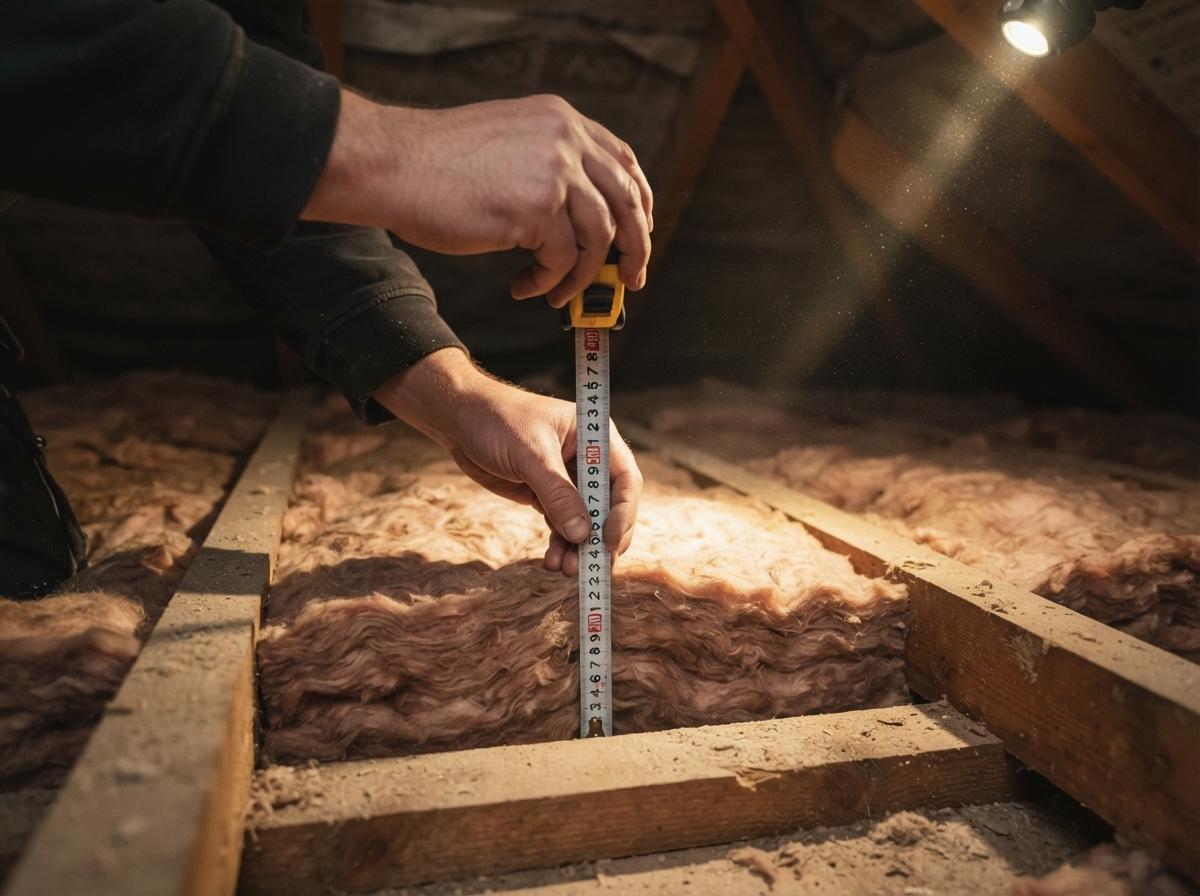
Insulation. Improving a property’s insulation, whether that’s internal wall, room-in-roof, loft or underfloor, is one of the most effective ways to raise a rating. NK Heating Solutions carries out the full range of insulation work across Perth and Perthshire.

Switching to an air source heat pump. Replacing an old or inefficient system, particularly an ageing oil boiler, with an air source heat pump can make a real difference to a property’s rating.

Funding. Many insulation and heat pump upgrades may qualify for funding through Home Energy Scotland, subject to an eligibility check. An EPC that recommends insulation or a heating upgrade is often a good sign a property will qualify.

Landlord EPC Perth boiler rating

Trusted by People Across Perth

Read what our customers say about our work, in their own words.

Call Us Now for a Free Quote and Survey

The NK Heating Solutions team

Why Choose NK Heating Solutions

NK Heating Solutions helps you understand what your EPC recommends, and carries out the insulation and heat pump work that improves it.

We’re MCS certified, with 12 years behind that certification and over 400 air source heat pump installs completed, work that directly improves a property’s rating. We’re also TrustMark and PAS2030 registered, to the standard required for grant-funded insulation work.

Across the team, we bring more than 80 years of combined trade experience, including delivery of over 80 ECO measures in Perth & Kinross and 60 in Tayside, funded efficiency upgrades specifically. We also maintain around 300 properties for Caledonia Housing, now in our fifth year on that contract, proof we manage energy-efficiency work at portfolio scale, not just one-off jobs.

Where insulation or heat pump work is government-funded, that work comes with our Qualitymark insurance-backed guarantee, covering up to 25 years on the system and 2 years on the workmanship. This guarantee doesn’t apply to the EPC assessment itself.

What we provide for our customers:

Gas Safety, EICR, PAT, Legionella and EPC in One Place

Fifth Year Maintaining 300+ Caledonia Homes

30 Years Gas Safe and NICEIC Registered

18th Edition Qualified Electricians

Support Meeting Your EPC Obligations

20 Years HIES Registered

 Living Wage Employer and Trustmark Registered

Perth Based, Not a National Call Centre

FAQs

What are EPC requirements for landlords?

A valid EPC is required whenever a property is marketed for let. There’s currently no minimum rating required in Scotland (unlike England’s Band E floor), but new rules are proposed from 2028 requiring Band C for new tenancies. The EPC must be provided to prospective tenants and is valid for 10 years.

Is an EPC a legal requirement?

Yes. Every rental property must have a valid EPC available when it’s marketed to tenants. There’s no minimum rating to meet today, but the certificate itself is mandatory.

What's the minimum EPC rating for renting out a property?

Currently, there’s no minimum EPC rating required to let a property in Scotland, even an F or G-rated home can legally be let. That’s set to change: a proposed Band C minimum is expected for new tenancies from 1 April 2028, extending to all private tenancies by the end of 2033. It’s worth getting ahead of it rather than waiting.

How long is an EPC valid for?

10 years from the date of issue, unless significant energy-efficiency improvements are made to the property in the meantime, in which case a new EPC would reflect the higher rating.

How can I improve my property's EPC rating?

The most effective upgrades are usually insulation, whether that’s wall, loft or underfloor, and switching to a more efficient heating system such as an air source heat pump. NK Heating Solutions carries out both. Many of these upgrades may qualify for funding through Home Energy Scotland, subject to an eligibility check.

Do I need a new EPC for a new tenant?

Not necessarily. An existing valid EPC, within its 10-year validity, can be used for a new tenancy. You’d only need a new one if the previous certificate has expired or the property has changed significantly, for example after an insulation or heating upgrade.

Will the 2028 Scottish EPC rules affect me?

If the proposed rules are confirmed, any new tenancy granted from 1 April 2028 would need the property to meet a Band C (HRR) rating, with all private tenancies required to comply by the end of 2033. If your property’s currently rated D or below, it’s worth planning an upgrade now rather than closer to the deadline.

No Obligation | Safe & Private | Takes 1 Min

Energy Saving Trust Logo

Save up to £420* on your energy bill annually by upgrading to a modern, efficient boiler.

*Figure from the Energy Saving Trust, based on replacing a G-rated boiler with no heating controls with a new A-rated condensing boiler fitted with a programmer, room thermostat and thermostatic radiator valves (TRVs), in a gas-heated home in Great Britain. Savings will vary depending on the size and thermal performance of your home.

Figures reflect the Energy Saving Trust's estimates as published May 2026.

Energy Saving Trust Logo

* Figures from the Energy Saving Trust for a Detached house changing from a G rating boiler to an A rated Boiler. These are estimated figures based on installing a new A-rated condensing boiler with a programmer, room thermostat and thermostatic radiator controls (TRVs) in a gas-heated home from an older boiler with a programmer and room thermostat. Savings will vary depending on the size and thermal performance of your home. Figures are based on fuel prices as of April 2017